The Mynkovecka State existed from the late 18th to the first third of the 19th century, covering a significant part of the Ushytsia County, now the Dunaivtsi and Novo Ushytsia districts. Visiting this area, which includes several villages (Mynkivtsi, Otrokiv, Prytulivka, and others) and the picturesque Ushytsia Canyon, promises an unforgettable journey.
In the early 1780s, Wojciech Scibor-Marchocki purchased Mynkivtsi and the surrounding villages. Later, the Mynkovecka estate was inherited by his nephew Ignacy (1755–1827). After Podillia came under Russian control in 1793, Ignacy declared his holdings an independent “state.” Contemporary society considered Ignacy Marchocki a “great eccentric,” yet he was one of the first in Eastern Europe to abolish serfdom (1801) and created a kind of local parliament that enacted regional laws. His unrecognized “state” had its own government: legislative, executive, and judicial branches.
Thanks to Marchocki’s efforts, Mynkivtsi developed into a flourishing town of four thousand inhabitants, with fine houses, a hospital, gardens, factories, and a printing press. The surrounding villages thrived as well. Marchocki ordered the construction of four seasonal residences, the most magnificent of which was in Otrokiv, featuring a castle in medieval style. The count had a deep interest in mythology and pagan traditions. Every year on August 15, all inhabitants celebrated the harvest festival, which evolved into a celebration honoring the goddess of fertility. These practices displeased the clergy and regional authorities, resulting in persecution and even arrests of Marchocki. Nevertheless, with the support of friends and the involvement of Emperor Alexander I, who passed through Mynkivtsi in 1818 and was impressed by what he saw, the old count could continue his “eccentricities.”
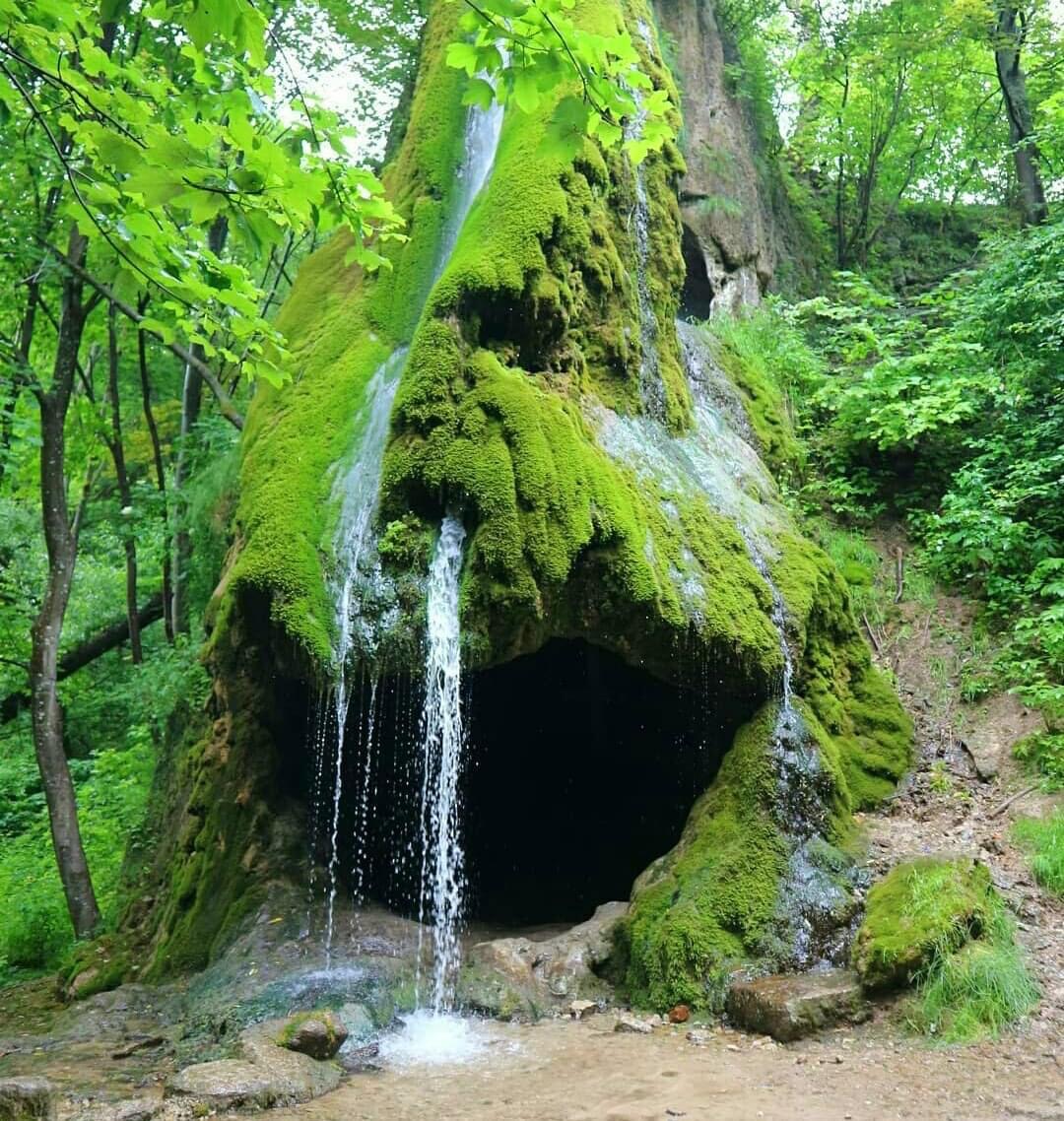
Unfortunately, few traces of the Mynkovecka State and its owner remain today. The most notable remnants are in the village of Otrokiv: the estate’s entrance gate, the farmyard, a fence with towers resembling chess rooks, wings of the estate, and the castle tower. All these overlook the Ushytsia Canyon, opening onto vast landscapes. At the bottom of the canyon lies the village of Prytulivka, which also preserves many historical monuments: a cave hermitage, the grottos of Count Marchocki, and an old three-story mill.
To fully understand the history of the Mynkovecka State, it is recommended to visit the museum in its former “capital,” Mynkivtsi, and for active leisure, attend the traditional ethnofestival held there each summer.