About the Project
The project focuses on the Zhvanets Territorial Community and adjacent areas, where cultural heritage, unique natural sites, and tourism routes intersect with the urgent need to preserve human capital, support youth, and create new opportunities for community development.
The project is implemented with the support of the Askold and Dir Foundation, administered by ISAR Ednannia, within the program “Strong Civil Society of Ukraine — a Driver of Reforms and Democracy”, funded by the Governments of Norway and Sweden.
What We Do
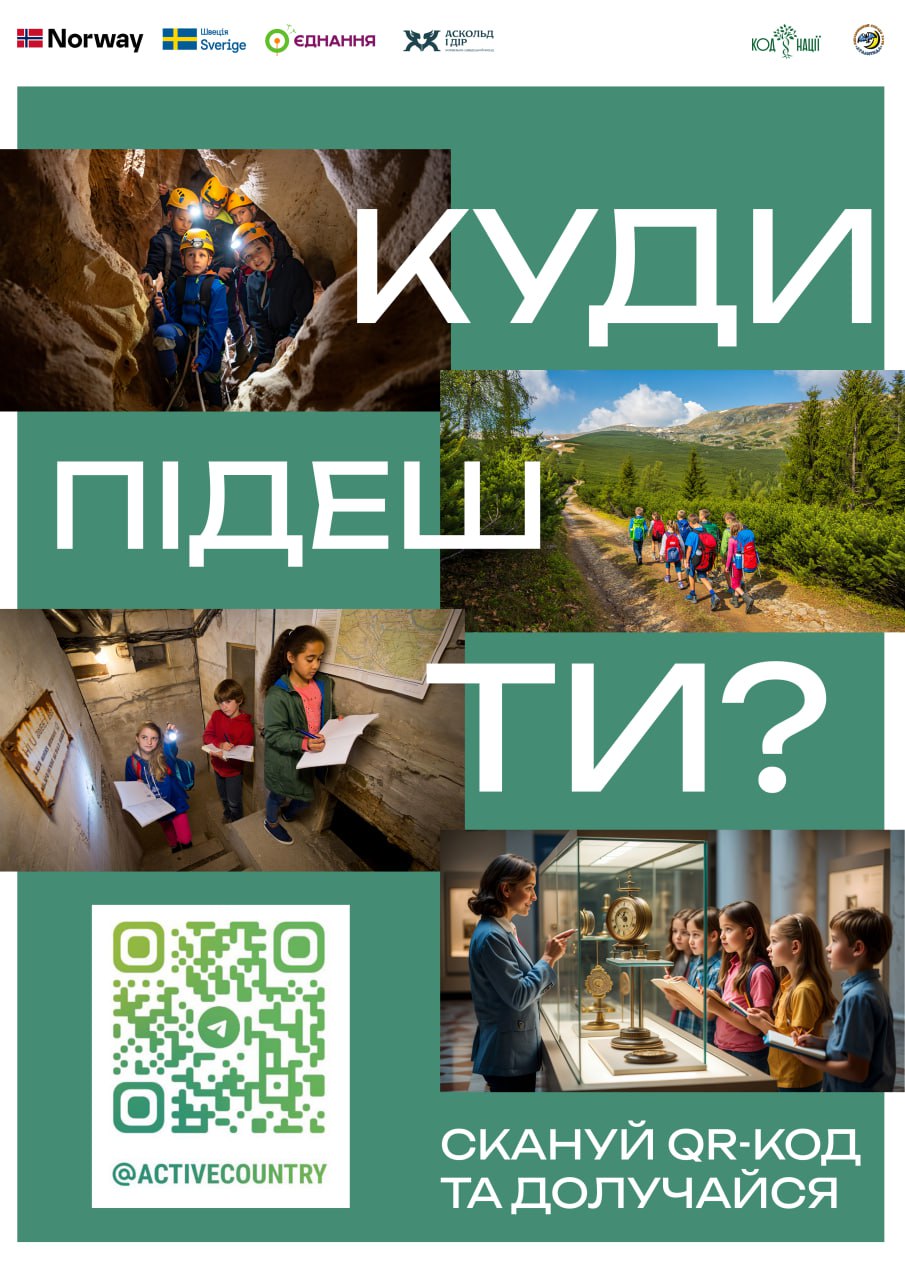
We integrate tourism, education, science, and culture through the format of living, field-based research of the territory. Within the project, we carry out:
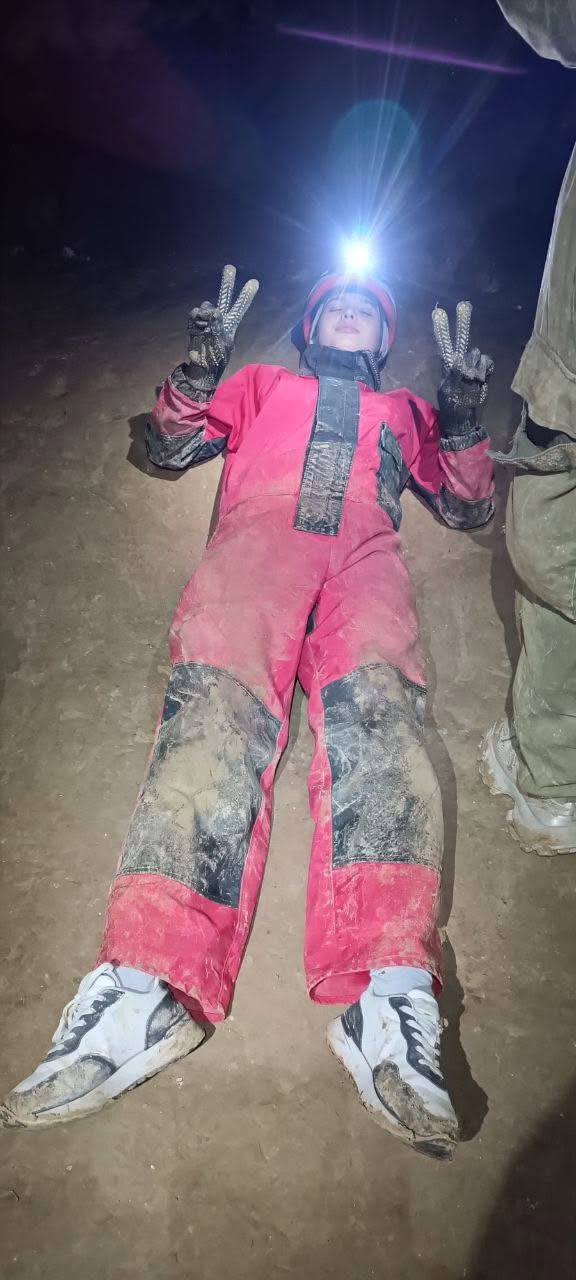
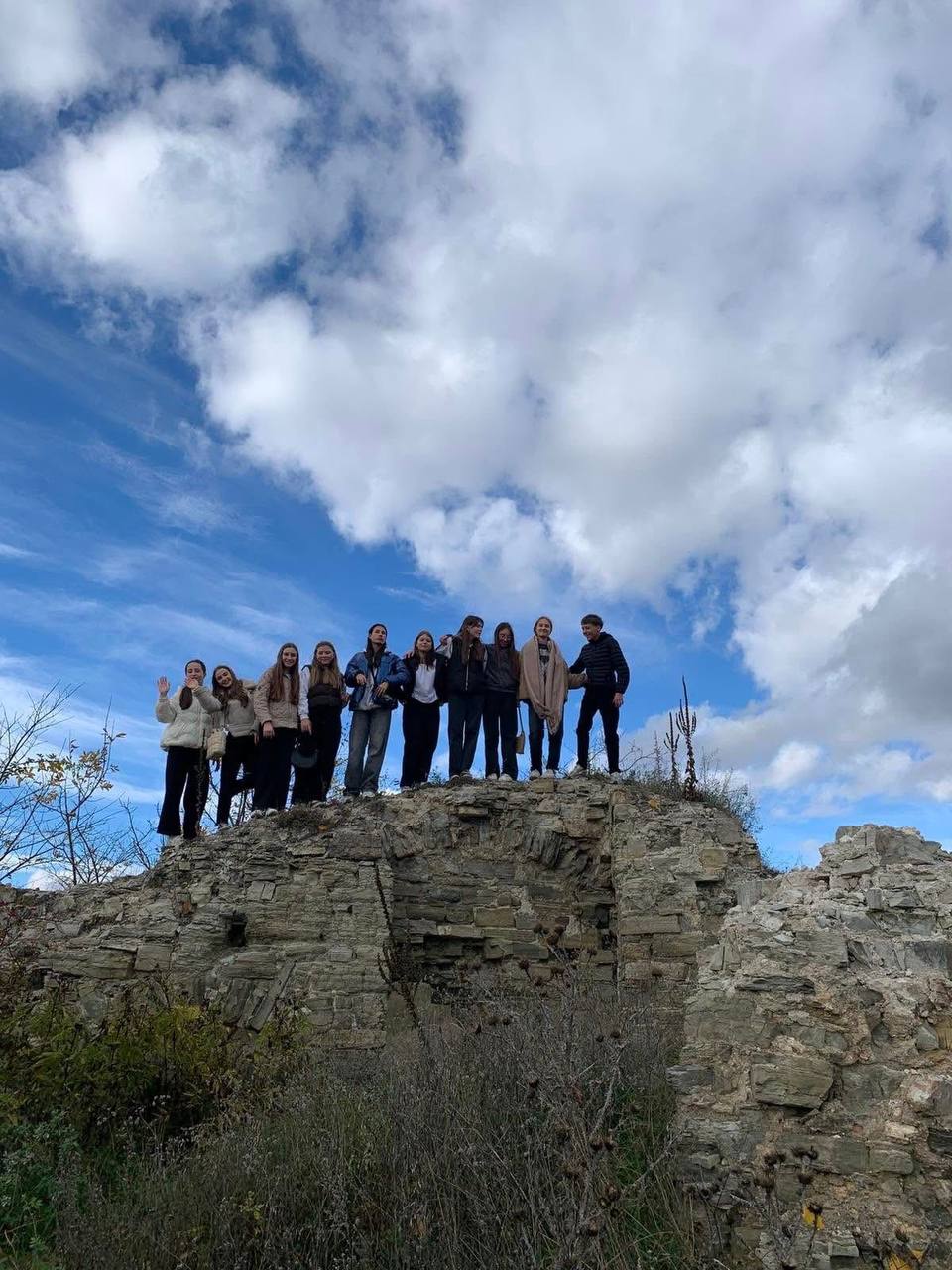
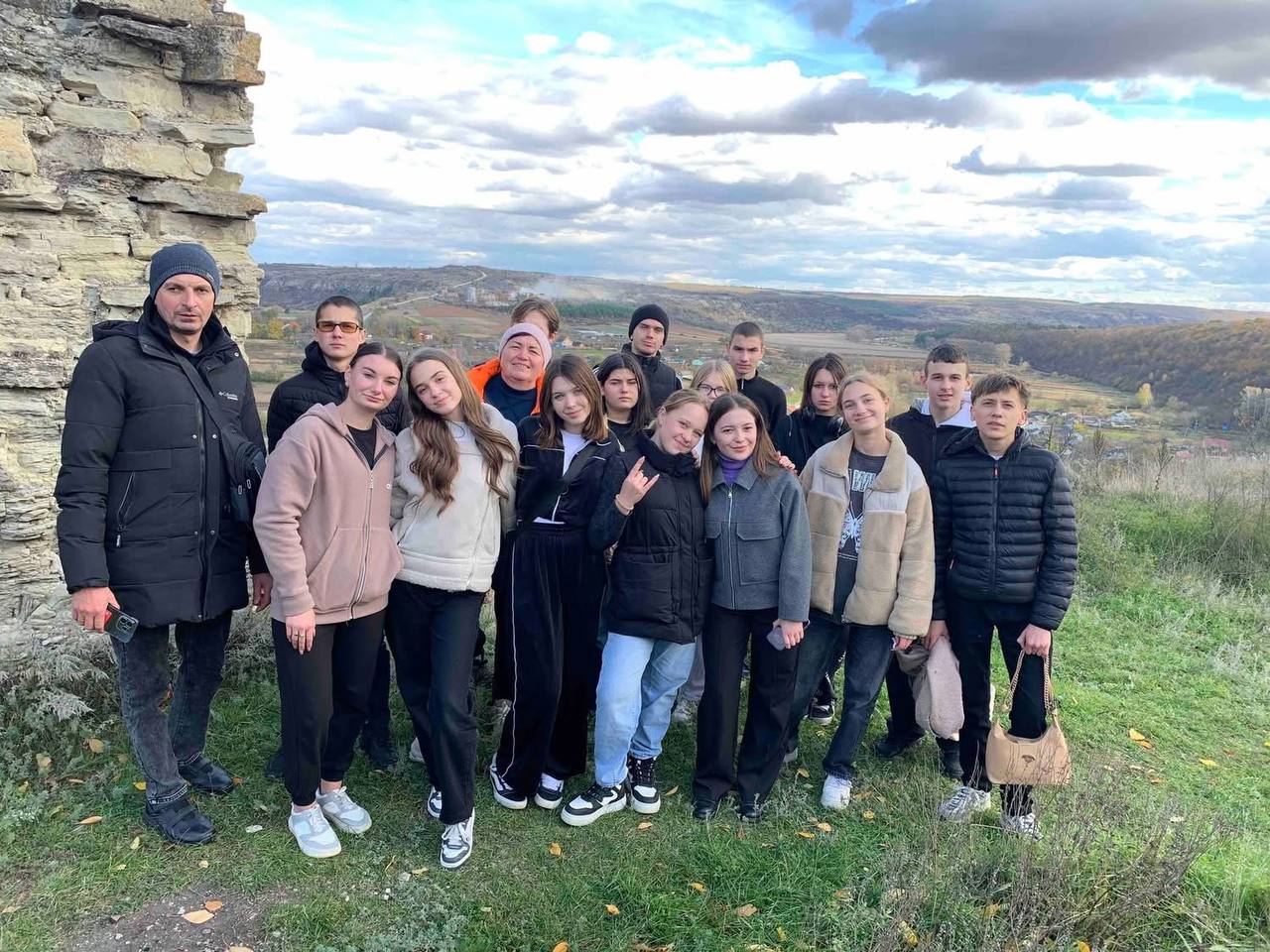
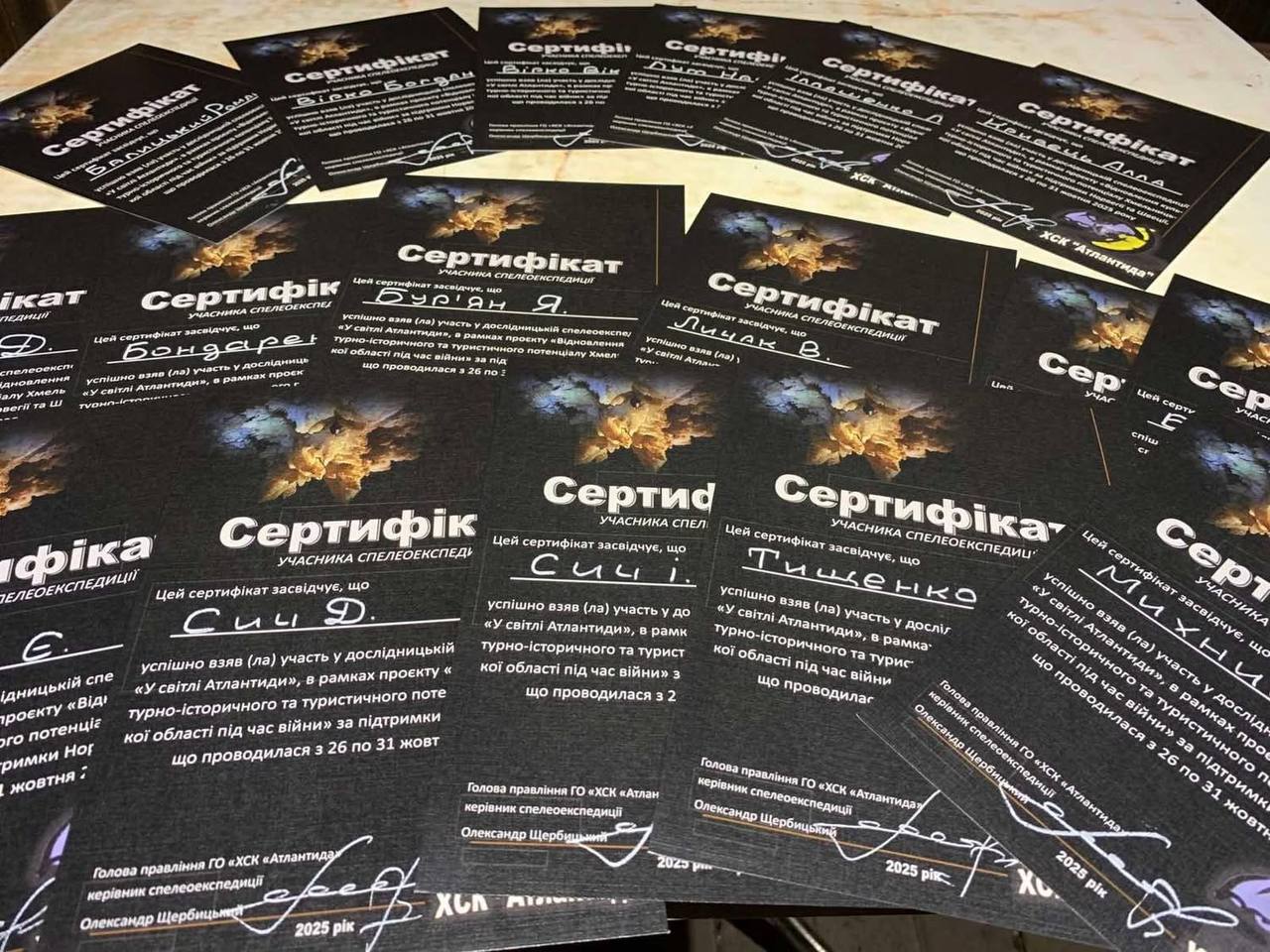
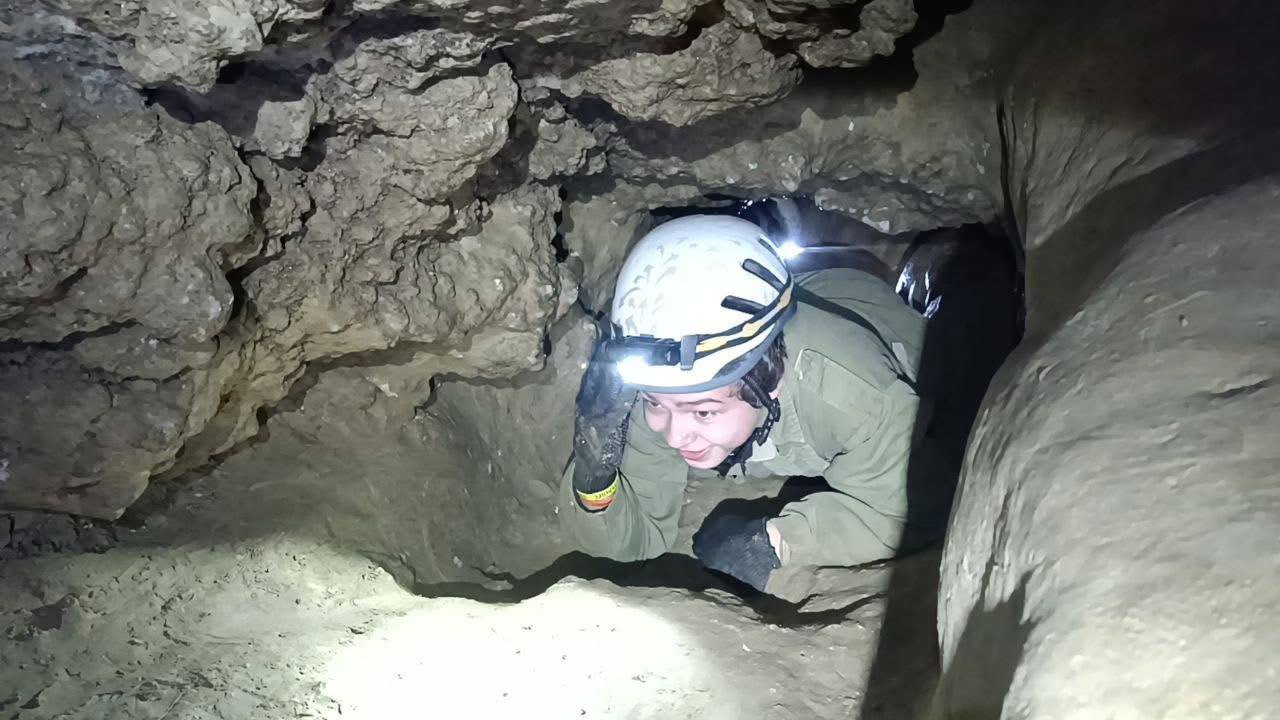
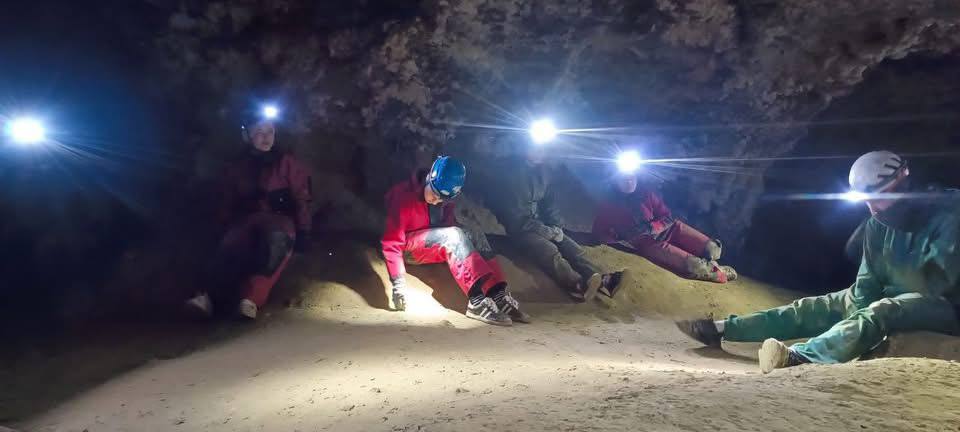
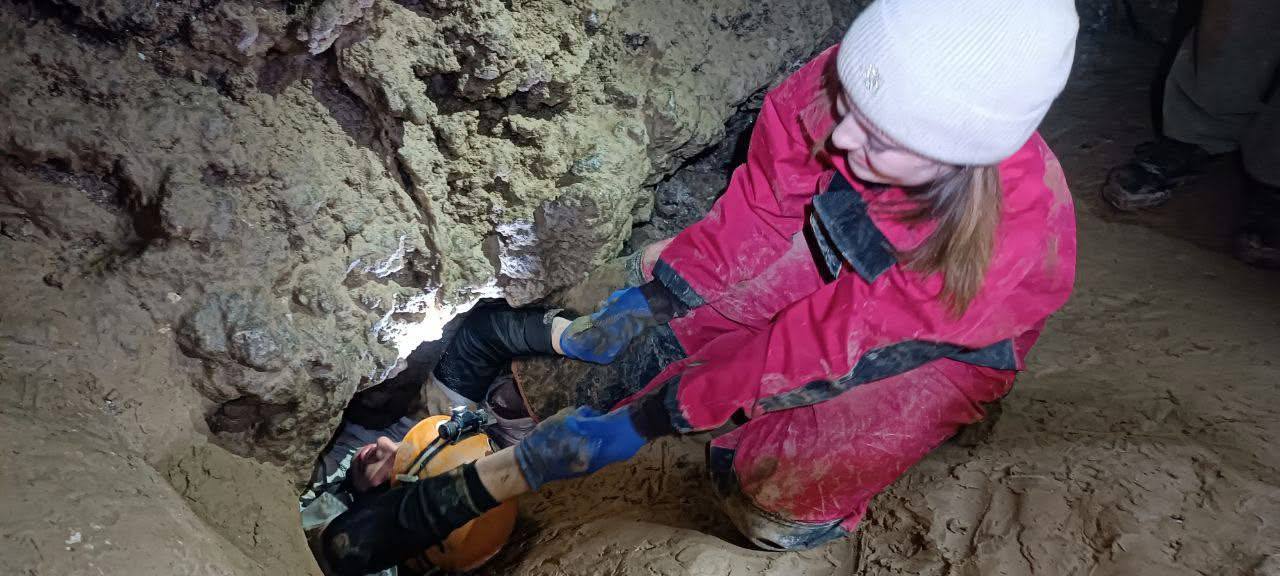
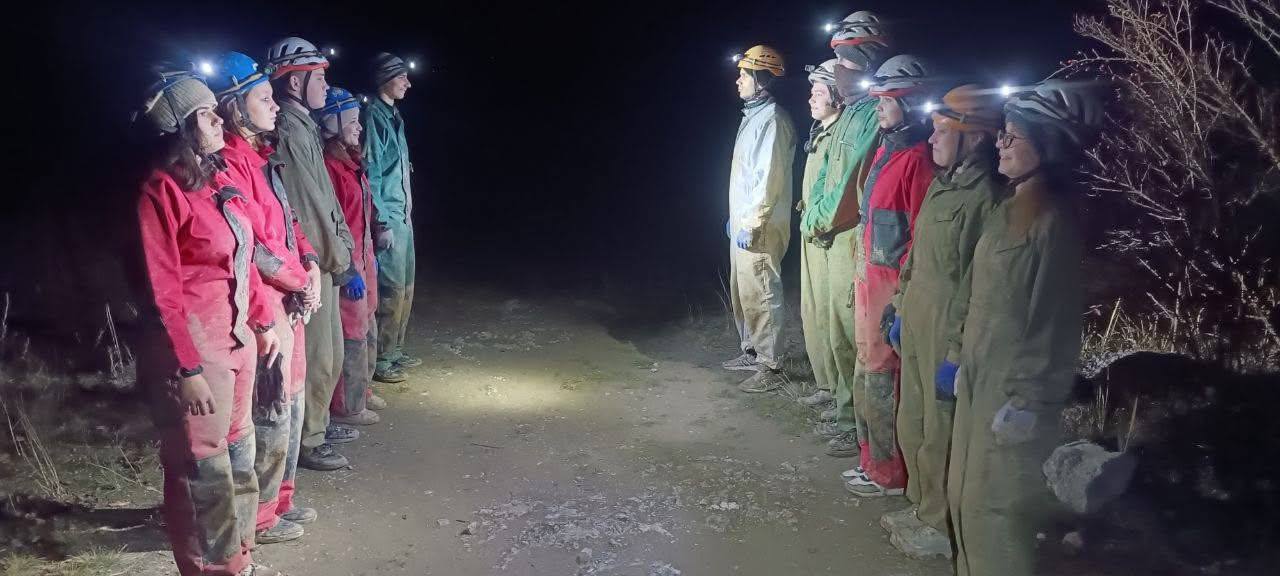
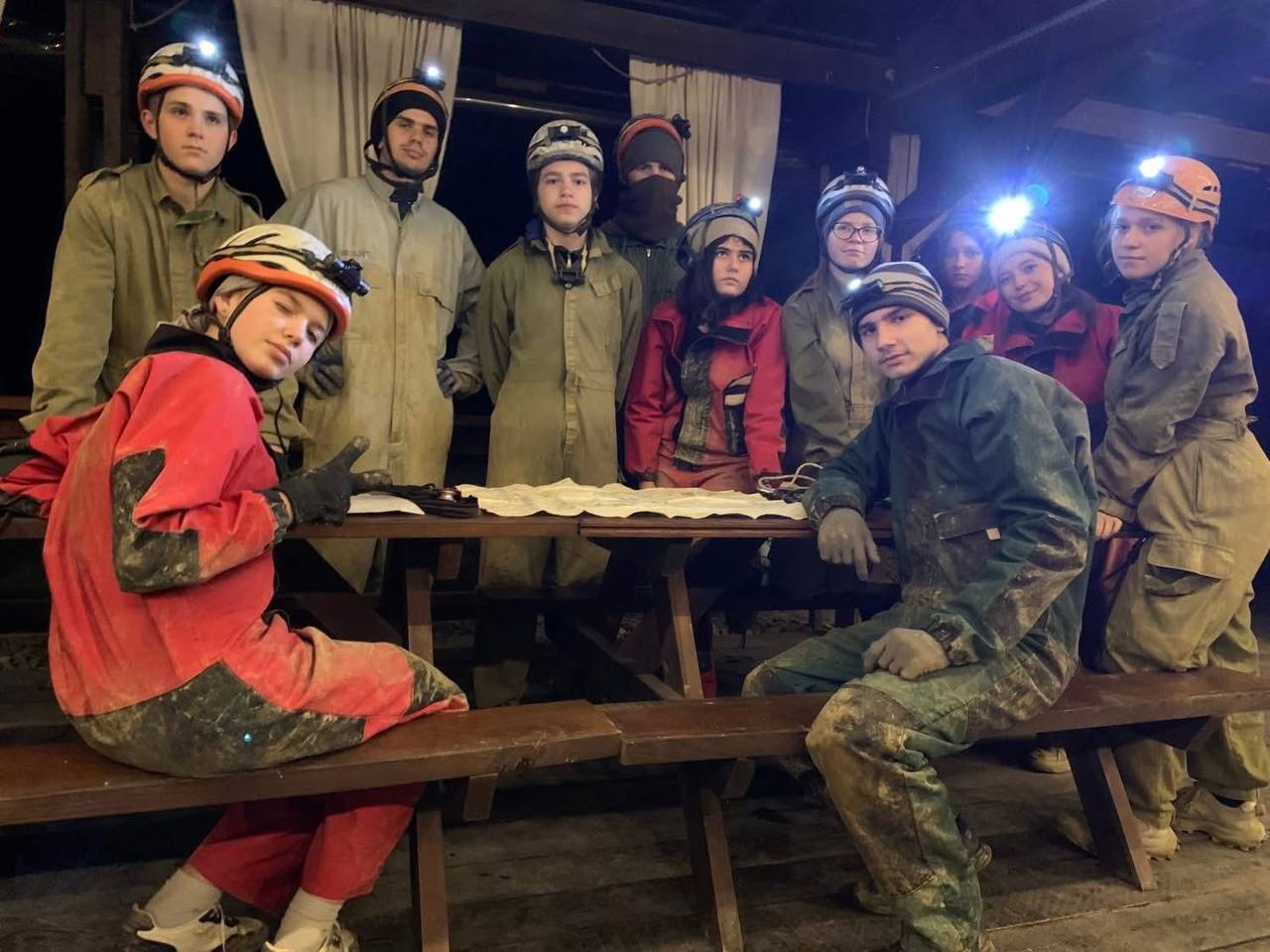
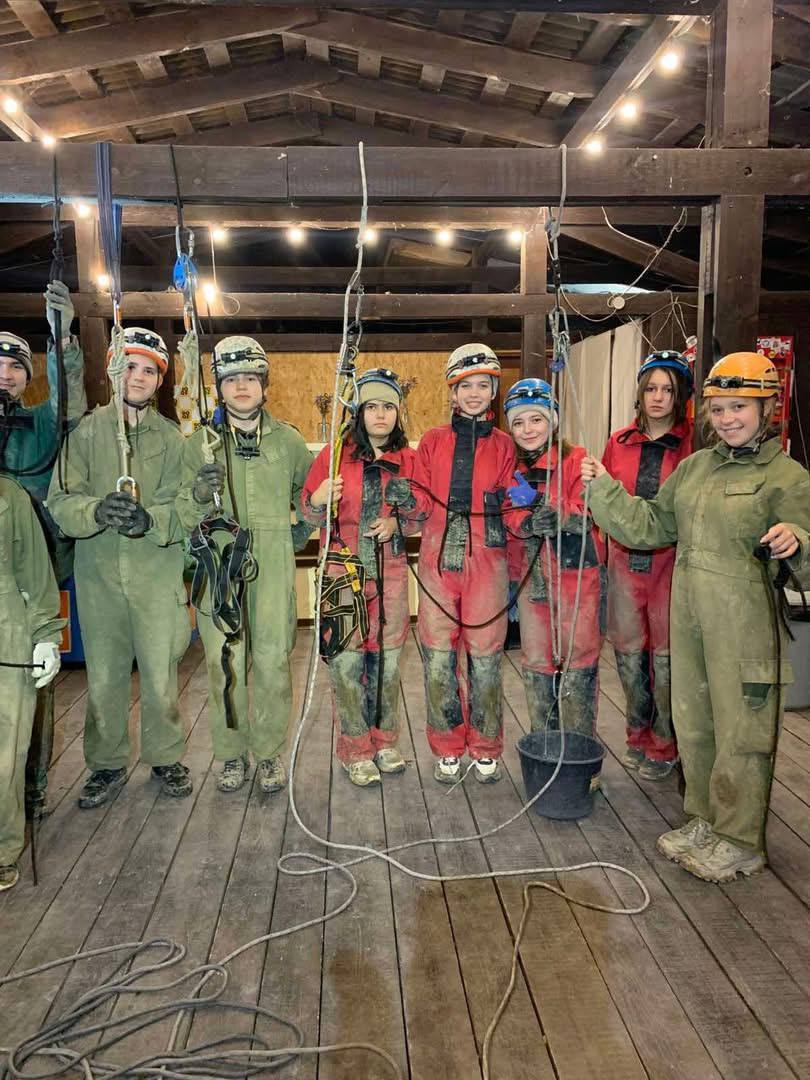
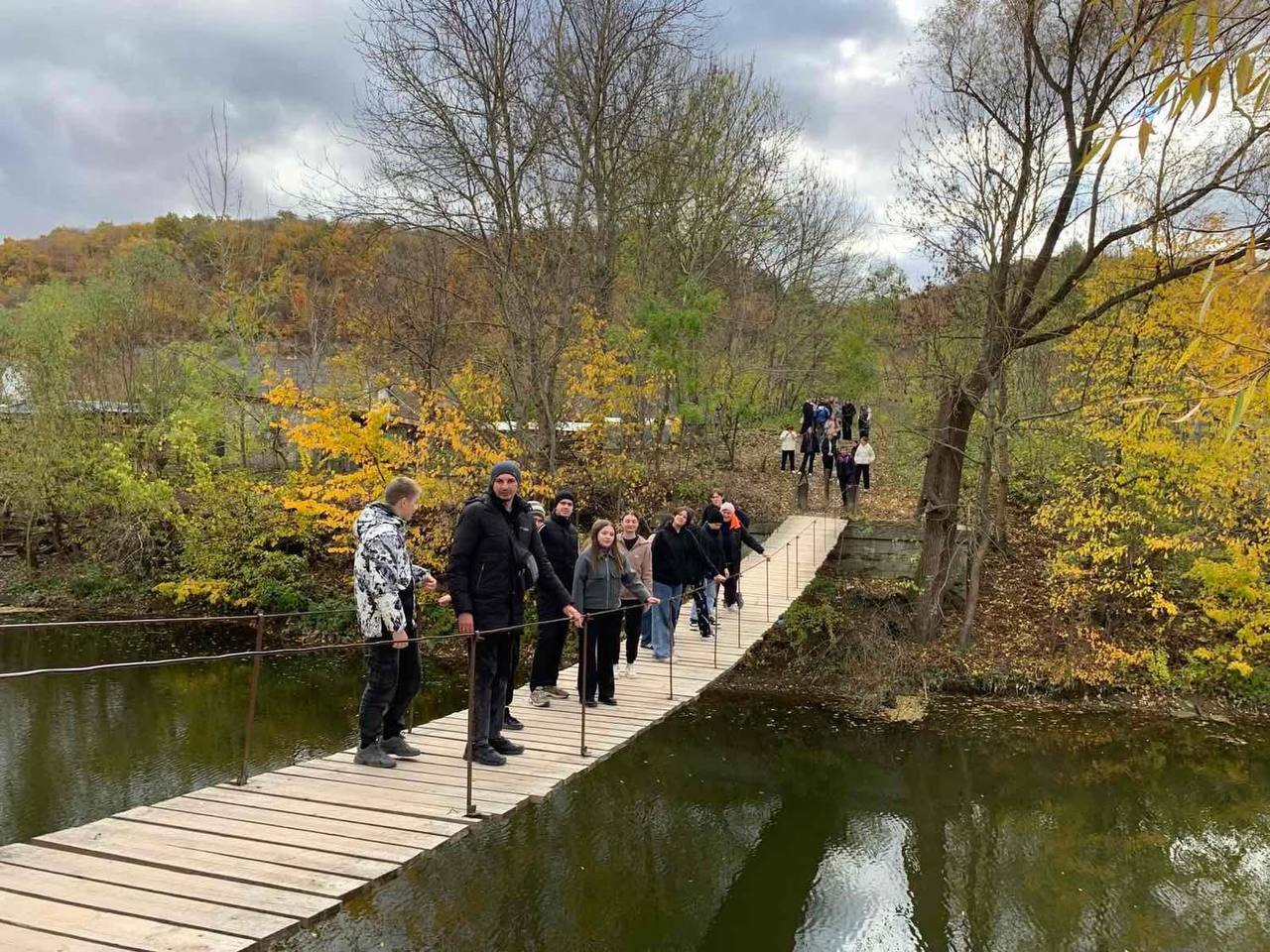
• research-based hiking and speleological expeditions;
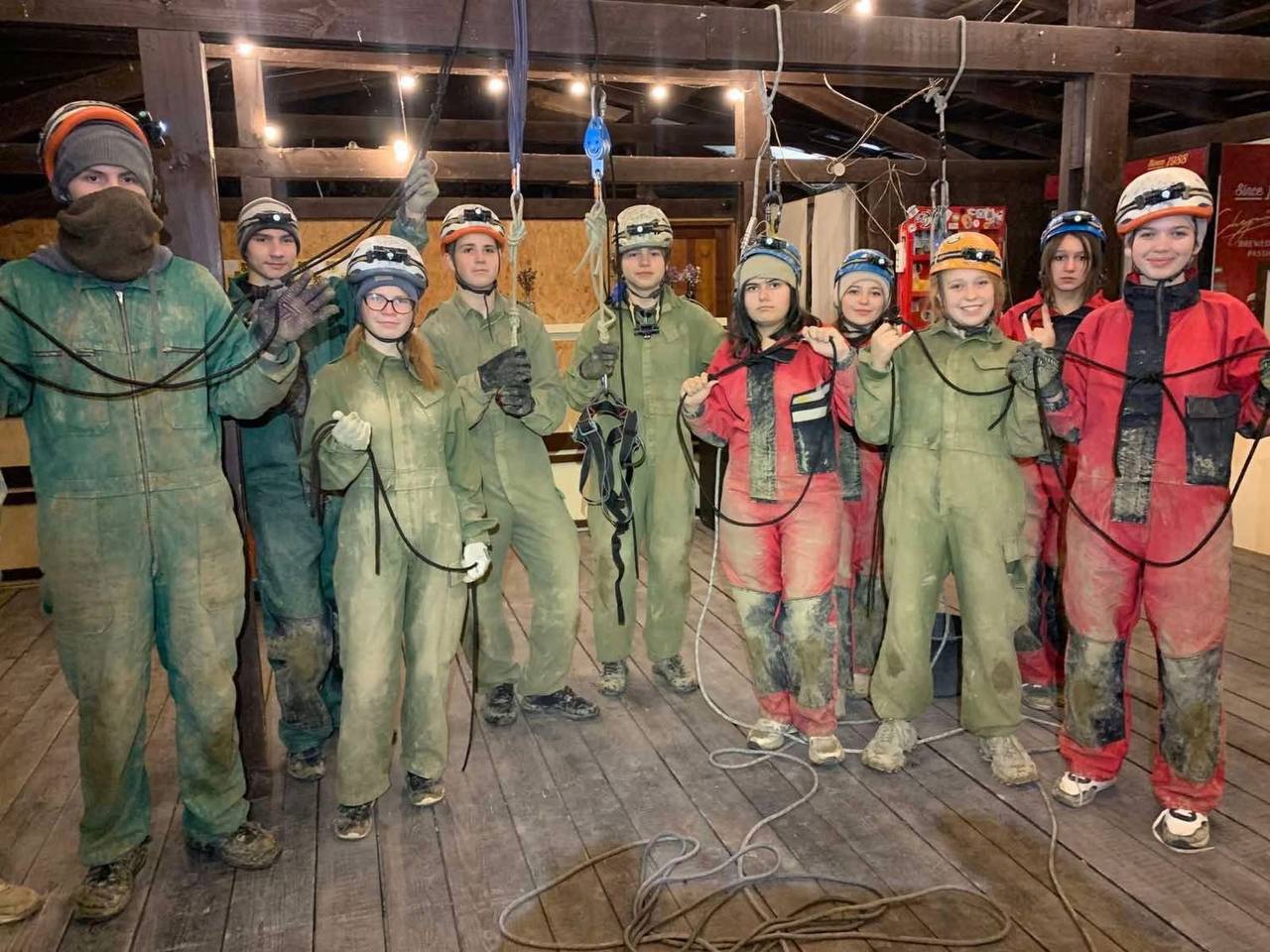
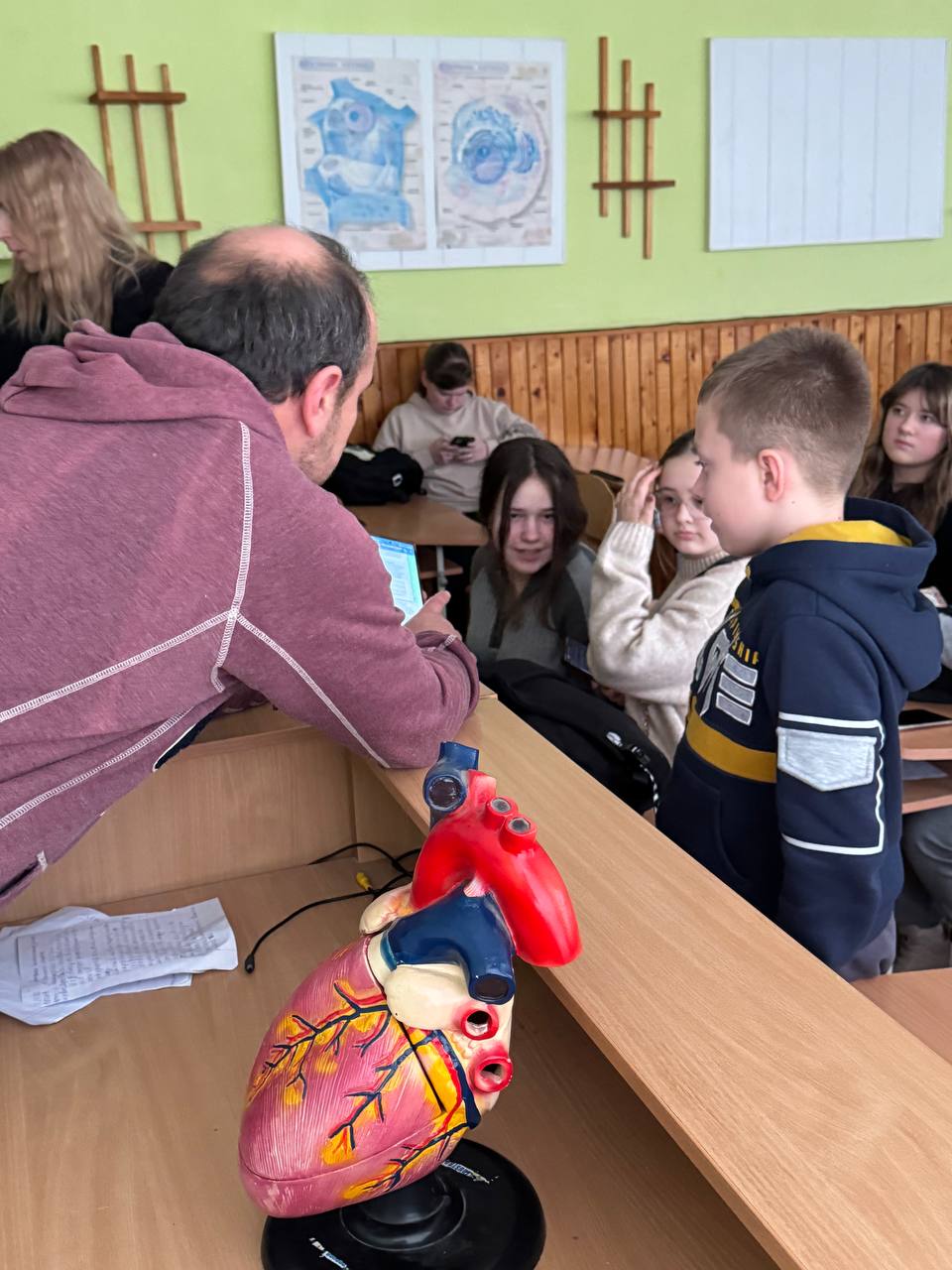
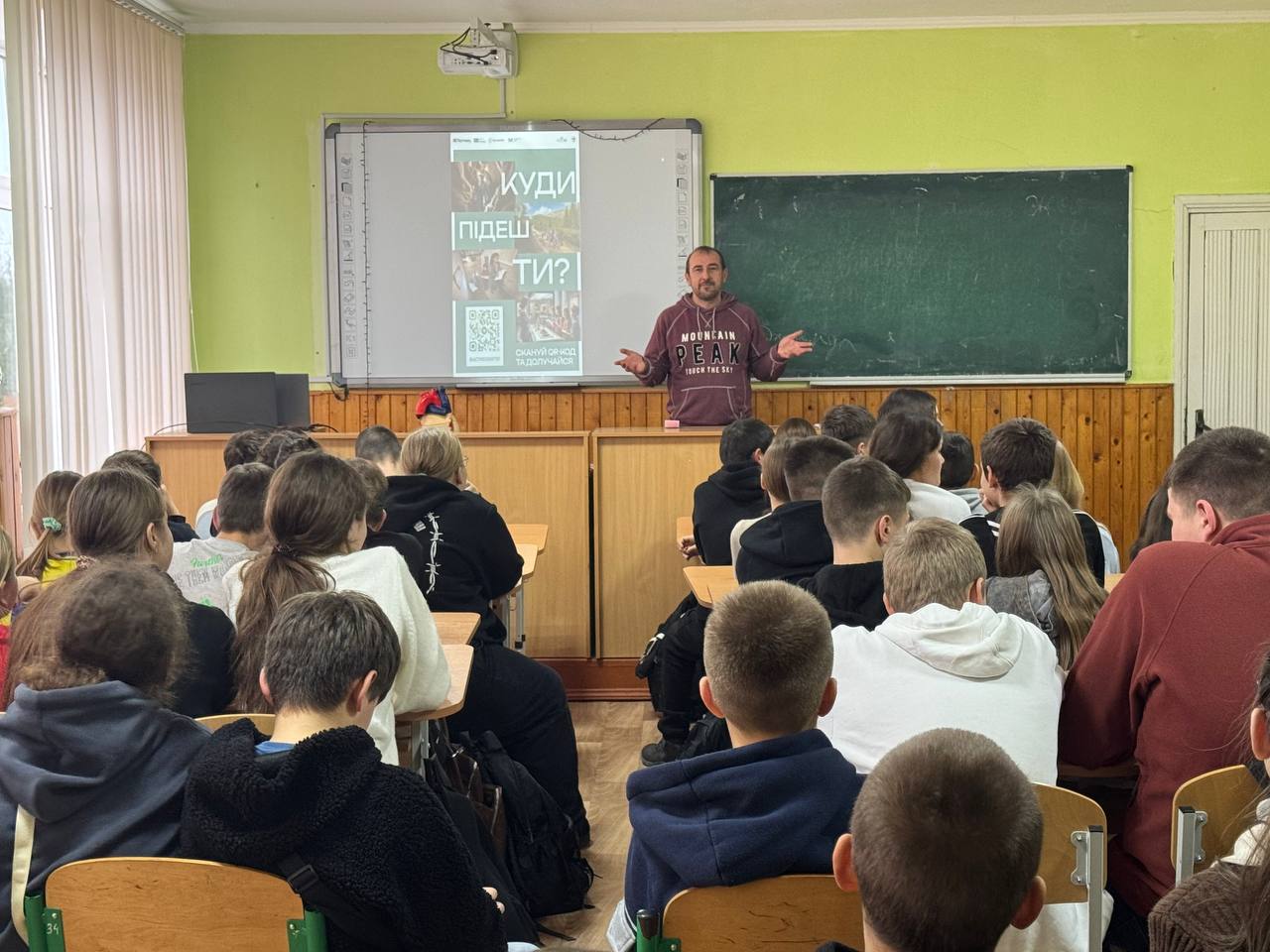
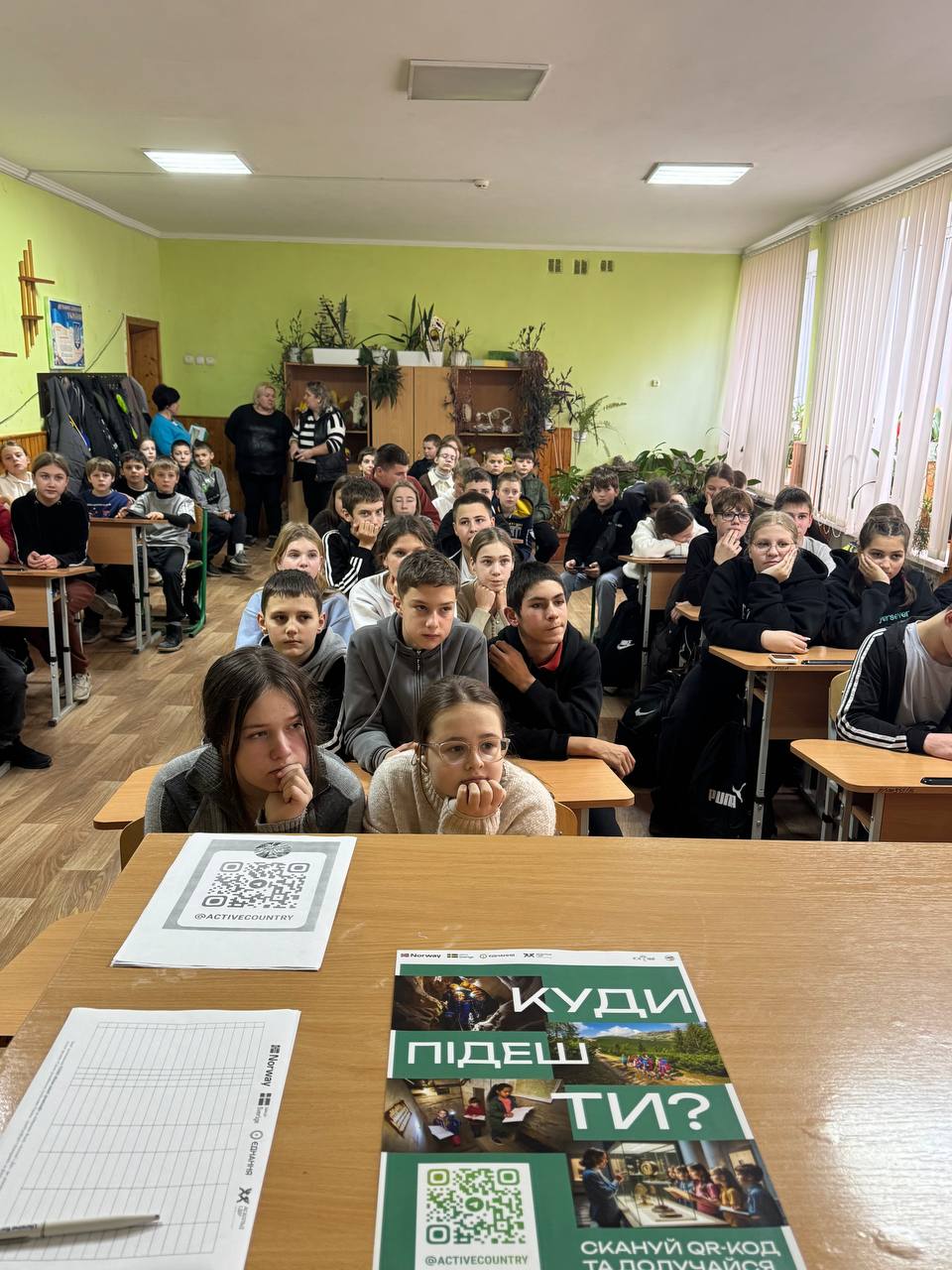
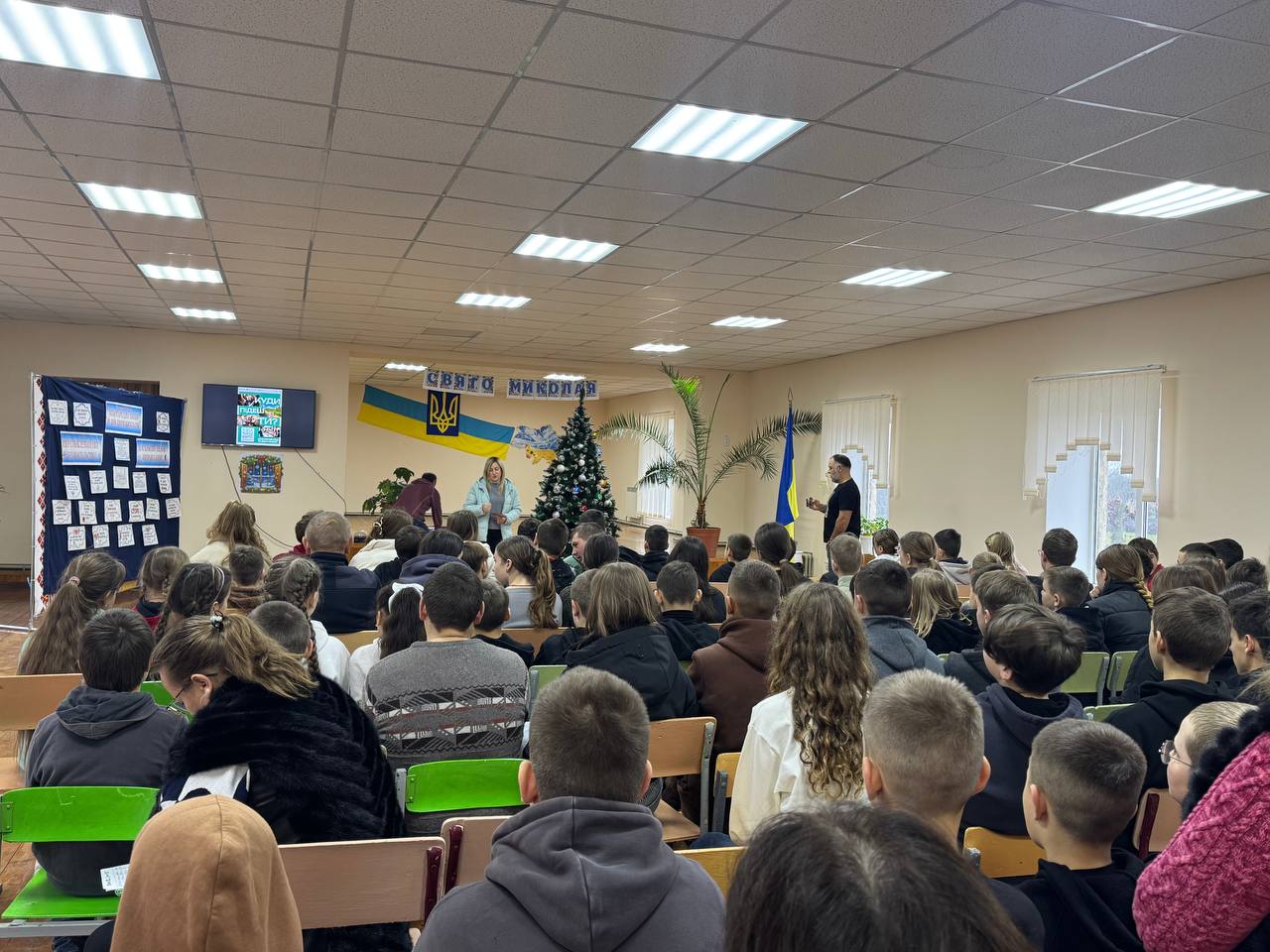
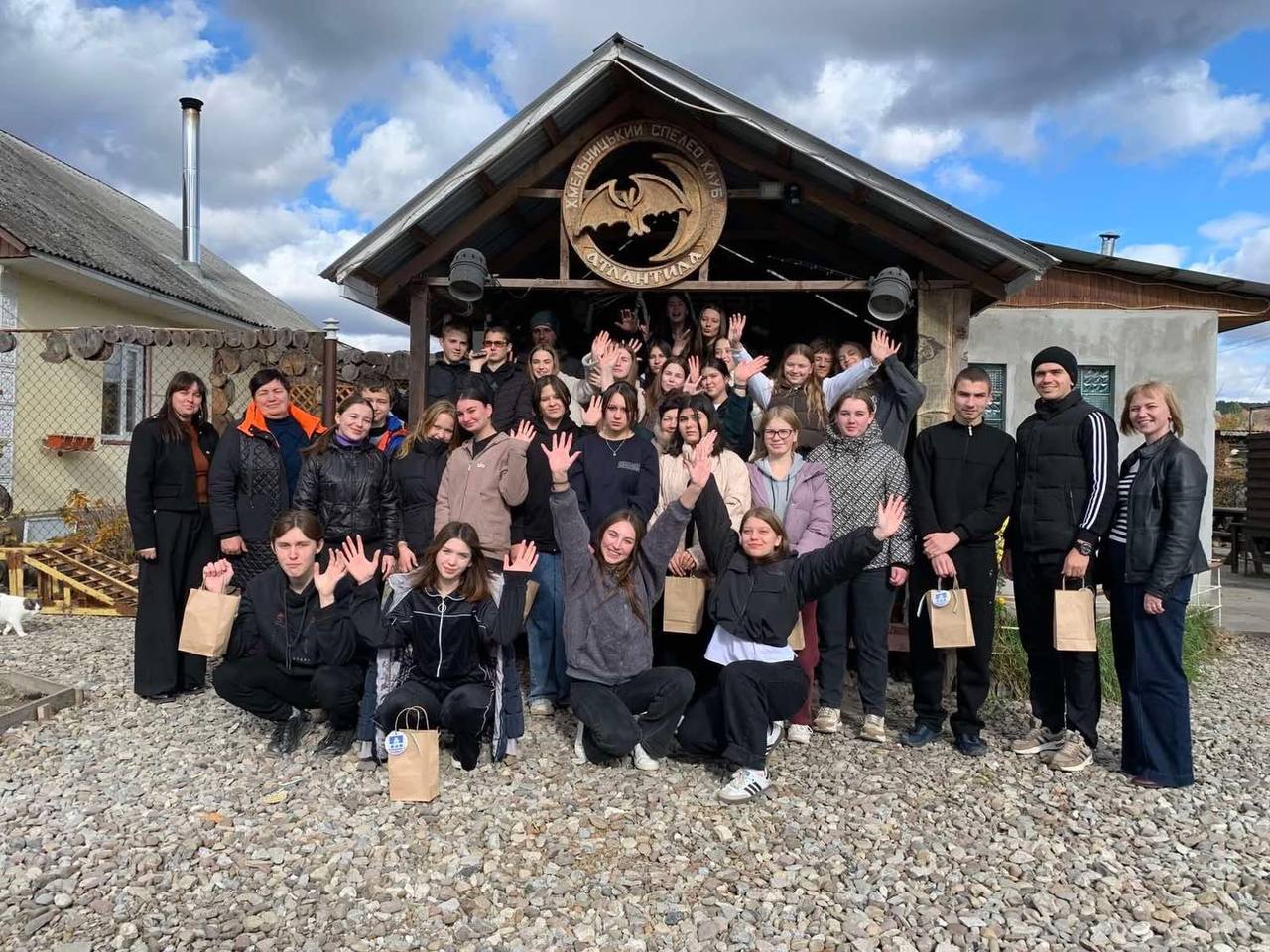
• educational programs for school pupils and students;
• the School of Karst Studies and Speleology with the participation of leading Ukrainian scientists;
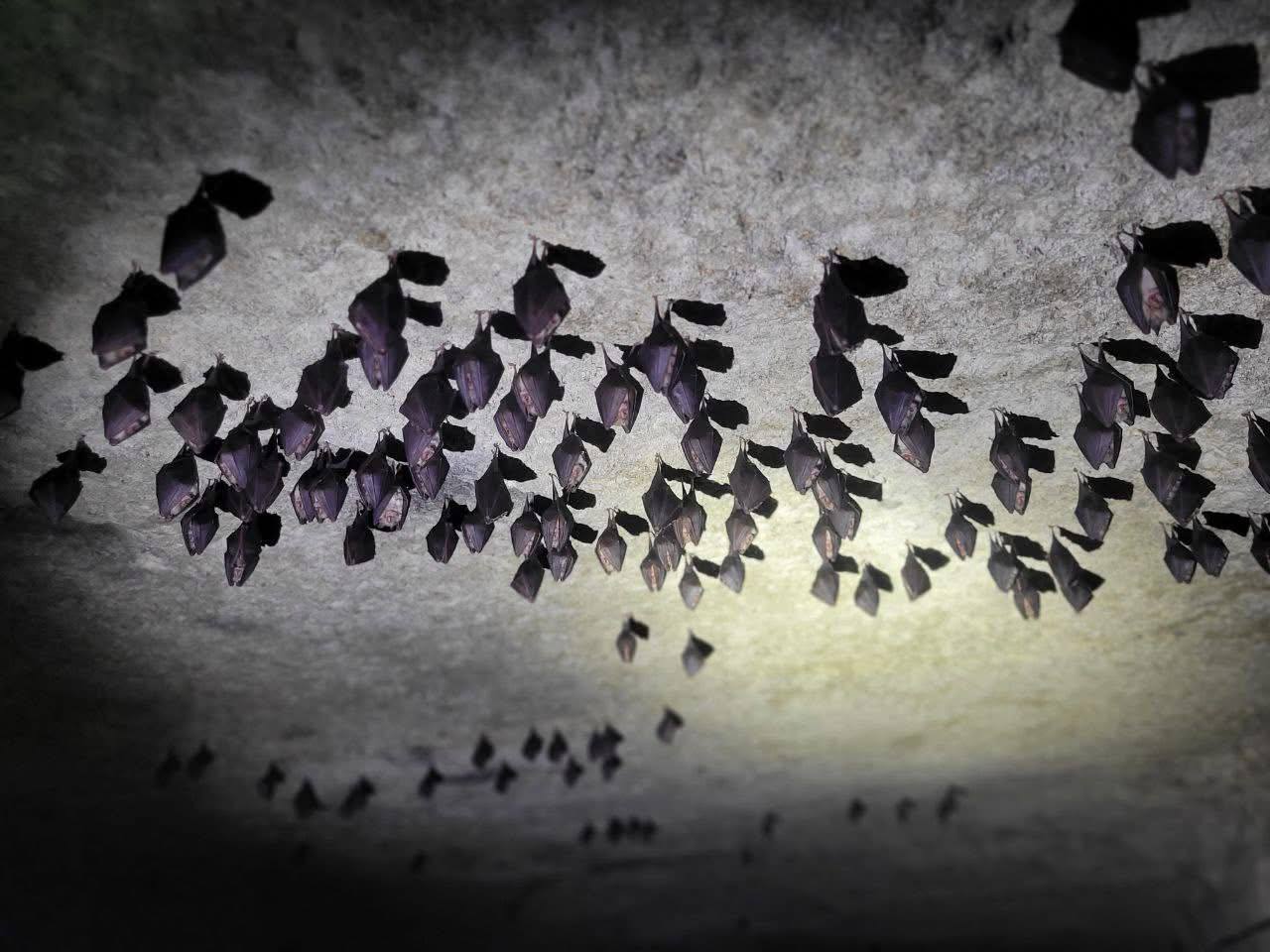
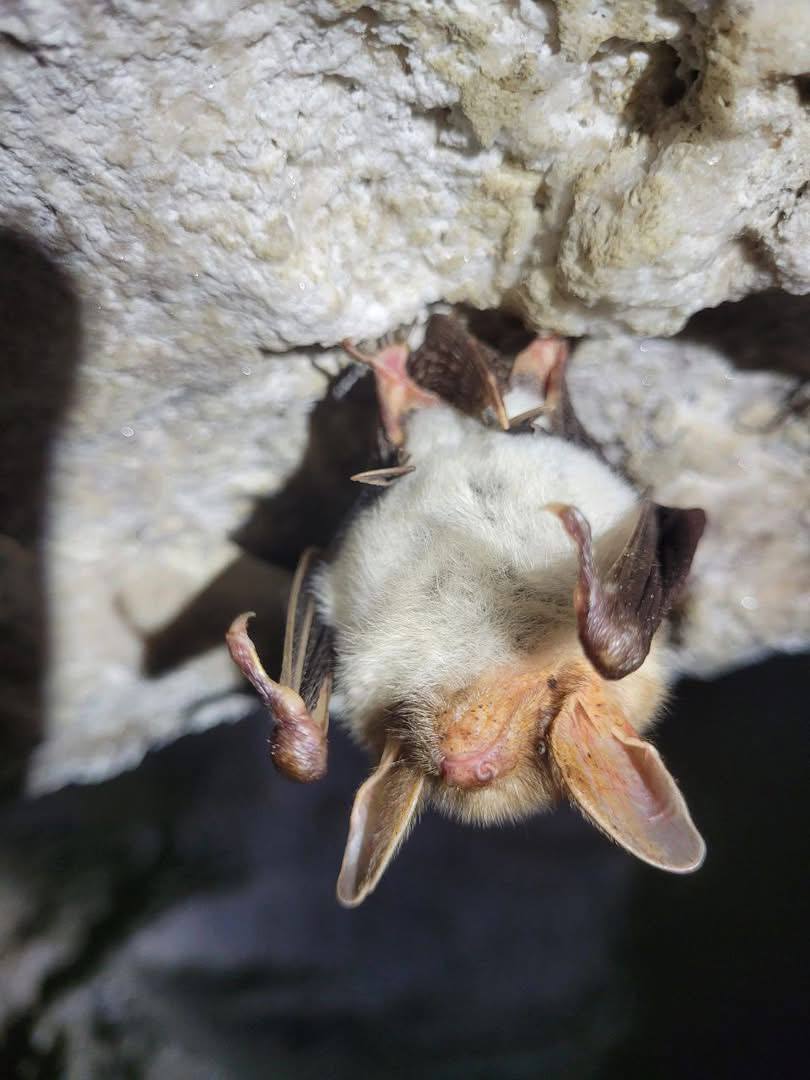
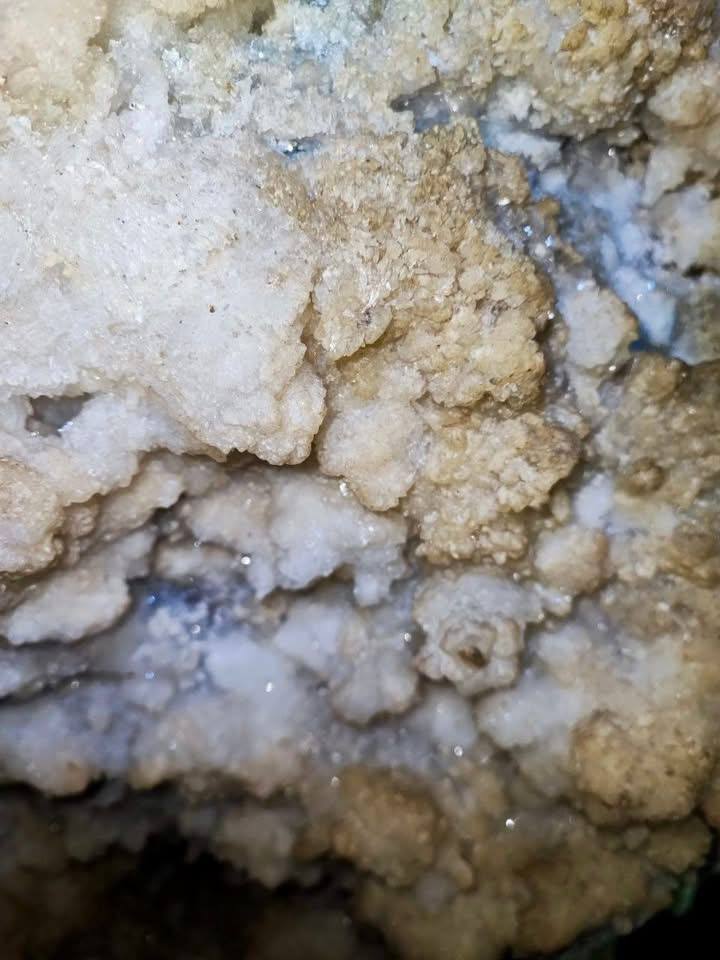
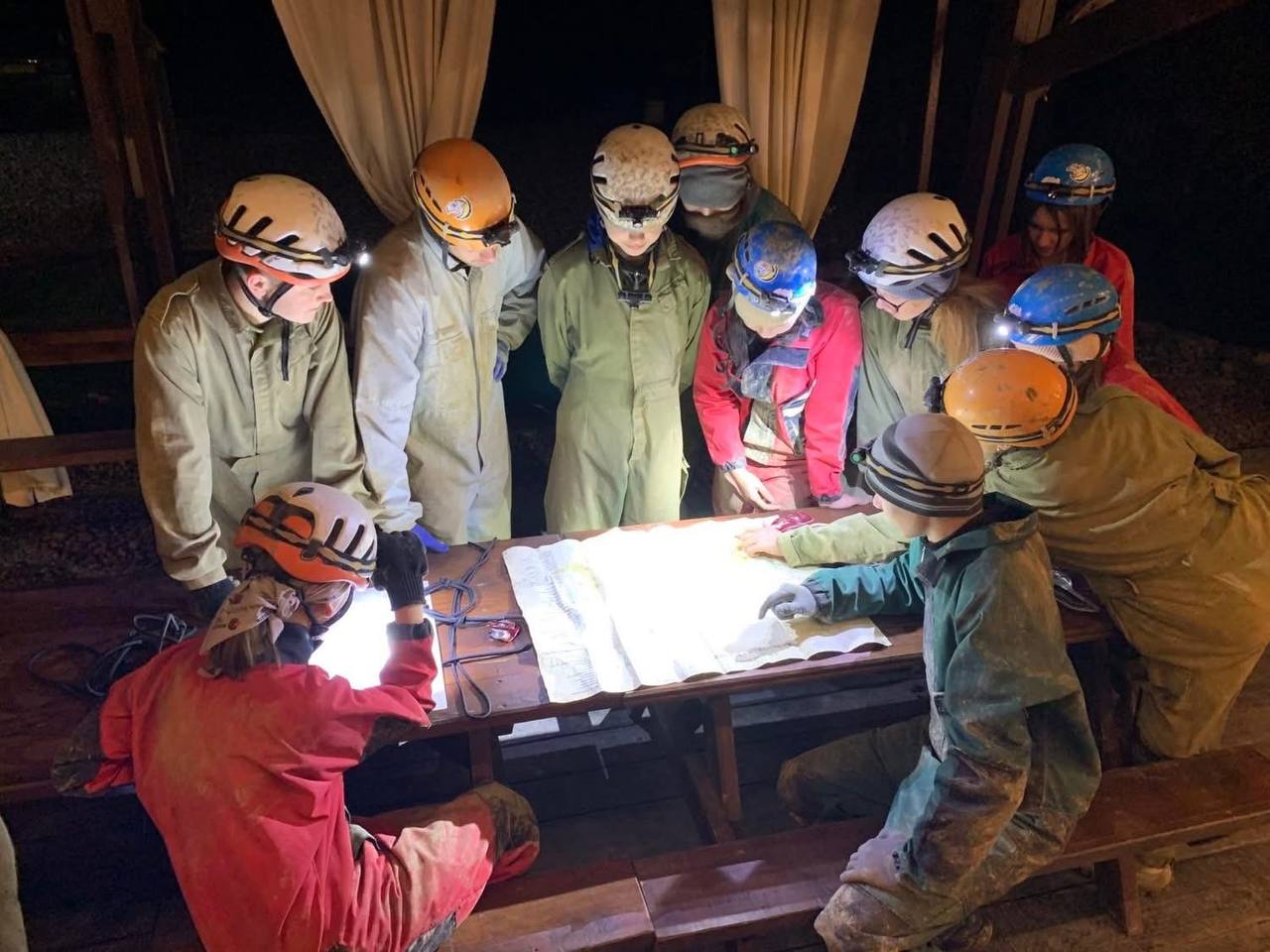
• research and mapping of caves, WWII fortifications (DOTs), historical and natural sites;
• development and promotion of the Camino Podolico (St. James Podillian Way) route;
• cooperation with museums, national nature parks, and educational institutions;
• creation of digital maps, research materials, and educational content.
Why It Matters
In the context of war and demographic decline, many rural communities are losing young people, educational hubs, and long-term development prospects. Young people often have limited access to quality non-formal education, opportunities to explore their own region, and the ability to see themselves as part of its future.
The project helps to:
• restore young people’s connection to their home region;
• foster a sense of identity and responsibility for cultural and natural heritage;
• create alternatives to youth outmigration from communities;
• lay the foundation for sustainable tourism and cultural development of the region.
Our Approach
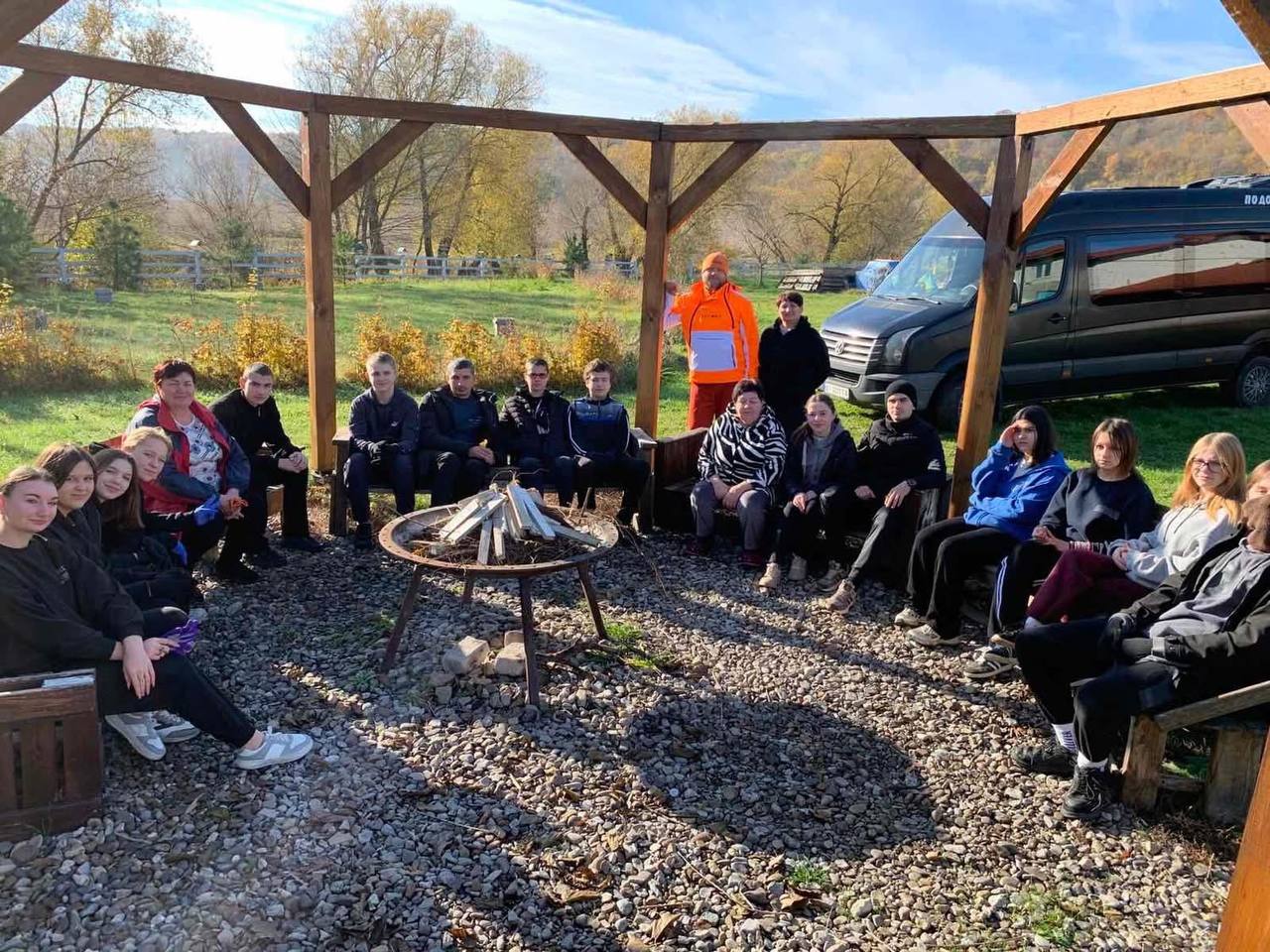
We work based on the principle of “learning through experience.” Participants do not simply attend lectures — they:
• explore territories through real-life expeditions;
• work alongside scientists, speleologists, and museum professionals;
• collect data, local legends, and field observations;
• create maps, routes, and research materials.
This approach builds a deeper emotional connection to place, while developing critical thinking, teamwork skills, and civic engagement.
Target Groups
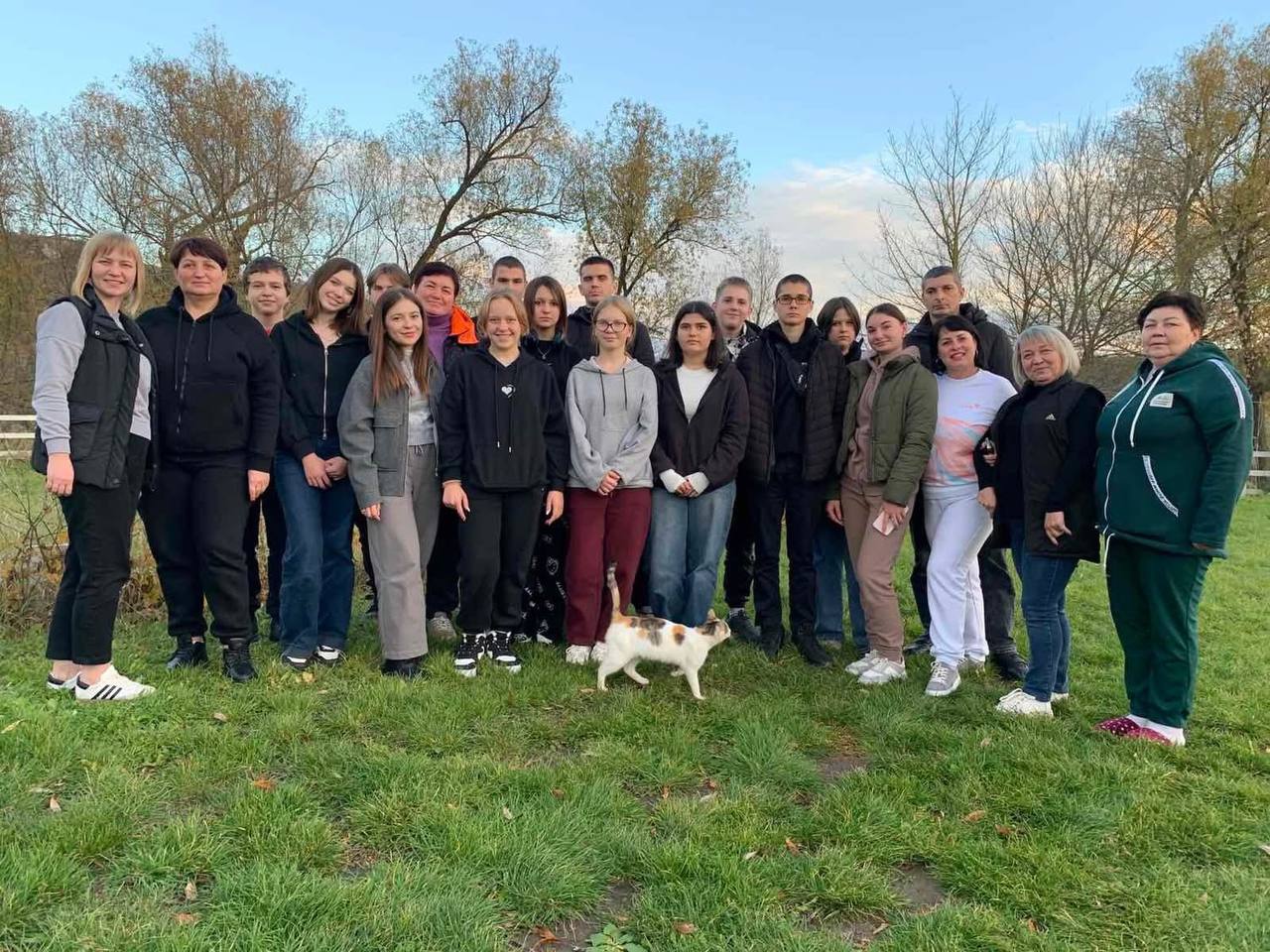
• youth and adolescents (school pupils and students);
• educators and teaching professionals;
• cultural and museum workers;
• local communities;
• tourists, travelers, and researchers.
Expected Results and Impact
Short-term:
• engagement of hundreds of children and young people in expeditions and educational programs;
• creation of new tourist and research routes;
• documentation of natural and historical heritage;
• development of local tourism infrastructure.
Long-term:
• establishment of a tourism and cultural cluster based in the Zhvanets community;
• increased tourist attractiveness of the region;
• integration of research-based practices into formal and non-formal education;
• preservation of cultural memory and human potential of communities;
• creation of a model scalable to other regions of Ukraine.